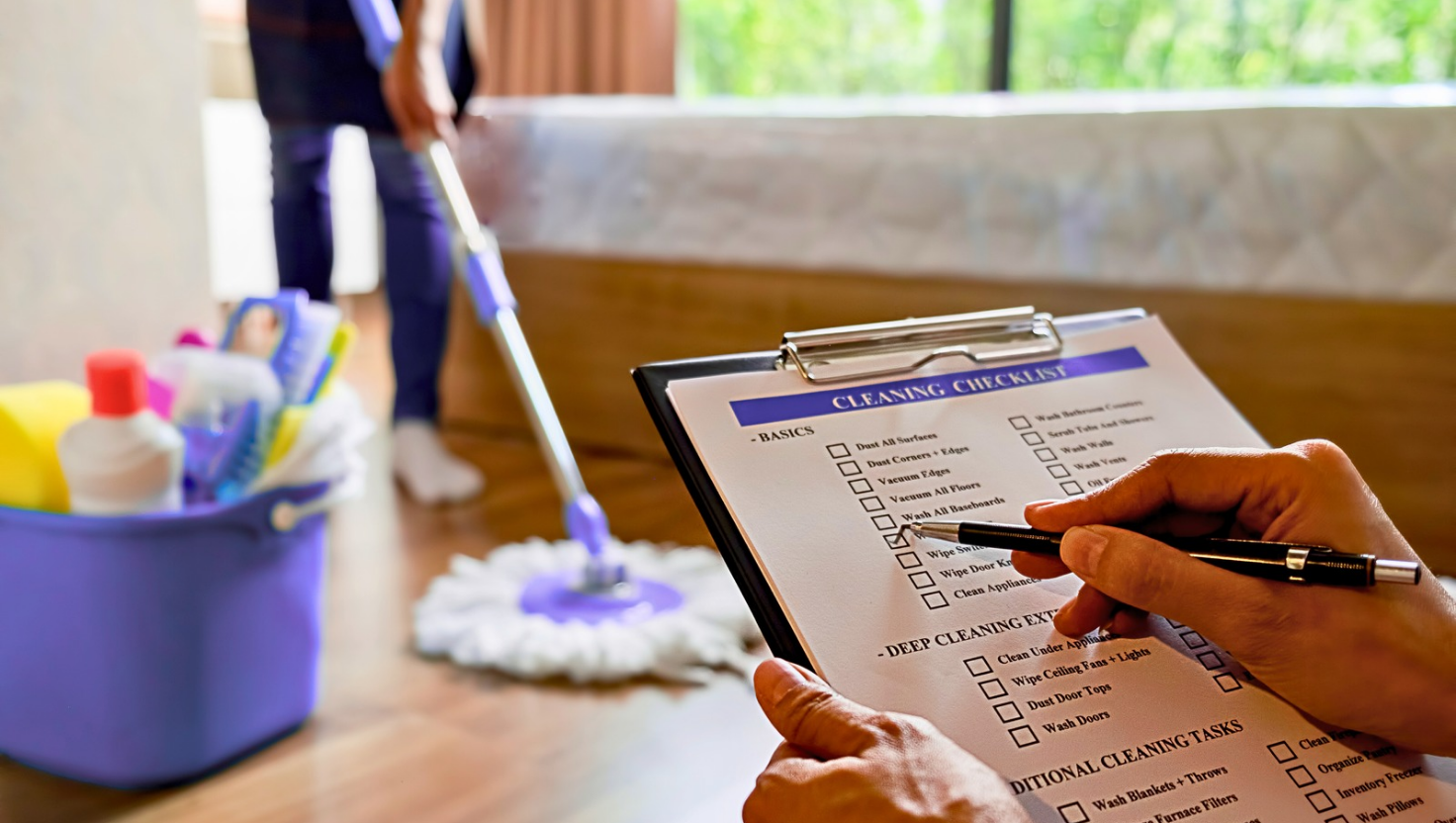

Cleaning products help with common tasks such as grease, soap residue, and everyday spills. Since products work differently on different surfaces, the right choice matters. A product that works well on tile may not be suitable for wood, fabric, or coated glass. The safest starting point is the product label and the care instructions for the surface. There is a science behind the interaction of cleaning agents and the materials they're used on.
When a cleaning agent is compatible with a type of surface, it'll help preserve the integrity and shine of that surface. Therefore, we need to choose our cleaning agents wisely with the mind that the cleaning agent that works for surface A might not work for surface B.
Want to learn more? Come closer, let's explore the science of cleaning and help you understand the best cleaning agents for every surface.
Some cleaners are made to loosen grease, oil, and sticky residue. They can be useful on compatible surfaces, but they may damage delicate finishes. Check the label before use and test a small hidden area first.
Soaps and detergents help water lift everyday dirt and oil from washable surfaces. Use the amount recommended on the label. Using too much can leave residue behind.
Some products are made for mineral buildup, while others are made for grease. Do not assume a household ingredient is safe for every surface. Choose a product labeled for the material and the type of buildup you need to remove. If disinfection is needed, use a product labeled for that purpose and follow its contact-time directions.
Some products are made for food spills, pet accidents, and similar stains. Use them only on materials listed on the label. Test a small hidden area before treating a larger spot.
Some strong stain removers can fade color or damage finishes. Read the label and never mix cleaning products.
Each product has a different purpose, so the label is more useful than guessing by ingredient type.
As discussed earlier, different materials have unique properties and react differently to cleaning agents. What this means is that you need to have a good understanding of your surfaces so that you can pair them correctly with the right cleaning agents.
Wooden surfaces are delicate to clean; the wrong cleaning agent can remove the shine and damage the finishing. For wood, use a product labeled for the finish and follow the care instructions. Avoid strong or abrasive products unless the surface maker recommends them.
For glass and mirrors, use a cleaner labeled for the surface. Check for coatings or films that may need special care. Do not assume one product is suitable for every kind of glass. They'll work best when you use a clean cloth and the amount listed on the label.
Metal surfaces come in different variations, nonetheless, mild detergents seem to work well for most metals. There are also specialized metal cleaners that are effective for cleaning metal. Avoid using abrasive cleaners on metal surfaces as they might scratch some variation of metals
Abrasive cleaners are not suitable for tile because they can gradually wash off the tiling grout. Use a cleaner labeled for the tile and grout in your home.
Always check the care label for recommended cleaning agents and use specific cleaners based on the fabric type.
Different stains or dirt require specific cleaning agents:
Manufacturers provide essential information on their product labels so you can look for indications of surface compatibility on the label. Make sure to also look out for warnings regarding hazards or precautions
Some products must be mixed with water before use. Follow the exact amount listed on the label rather than guessing.
Another thing often advised by professional cowboy cleaners is that homeowners conduct a patch test before using a cleaning agent on larger areas. It's a simple test that can prevent your cleaning efforts from becoming disastrous.
Use a small quantity of the cleaner in a small, inconspicuous spot. Wait for the recommended time to see if there will be any adverse reactions like discoloration or damage. Afterwards, you can proceed only if the patch test shows no negative effects.
The right tool can make a cleaning task easier and help protect the surface. The product and the tool should suit the same surface. Match the tool to the surface and the product directions. Use soft microfiber cloths or sponges for delicate surfaces and for tougher stains, consider using brushes or scrubbers strong enough to remove stubborn dirt but soft enough not to scratch the surface.
After considering the necessity for pairing cleaning agents with surfaces, you should also prioritize your safety. Cleaning products can irritate skin or damage surfaces when used incorrectly. Start with the label directions and keep the product in its original container. Try out these safety measures:
If the label calls for ventilation, open a window or use a fan. Stop using a product if it bothers you and move to fresh air. Follow the product label for any additional safety steps. Always keep the windows open to allow free airflow or use a fan to ventilate the area. Keep children and pets away from the work area until the label says it is ready for use.
Wear gloves or eye protection when the label recommends it. Use the type of protection listed for that product. Do not improvise with protective equipment or product amounts. Always adhere to the safety recommendations provided on the product labels to safeguard against potential hazards.
Keep your cleaning agents in their original containers designed specifically for them and store them in a secure place out of the reach of children and pets. Additionally, avoid exposing the cleaning products to direct sunlight and excess heat to maintain the effectiveness of the cleaning agents and prevent accidental spills or leaks.
Never mix cleaning products unless a product label explicitly says to do so. Mixing common household products can create dangerous fumes or splashes. Keep each product in its original container and read the label before use.
The importance of reading labels and following instructions cannot be overstated. Labels explain how much to use, where the product can be used, and which safety steps to follow. Following those directions helps you use the product as intended.
In the event of accidental exposure or ingestion of cleaning agents, understanding first aid procedures can save lives. Follow the first-aid directions on the product label and keep emergency contact information easy to find. Share the label information with the person helping you.
Follow the label and local household-waste guidance when disposing of unused products. Use your city’s instructions for leftover household cleaning products. Avoid pouring cleaning agents down drains or disposing them in regular household waste bin if they contain hazardous materials.
Overall, educate your family members, employees, or anyone involved in your house cleaning tasks about the safe use and handling practices of cleaning agents. Let them know the importance of following safety protocols to minimize risks in your home and for everyone involved.